
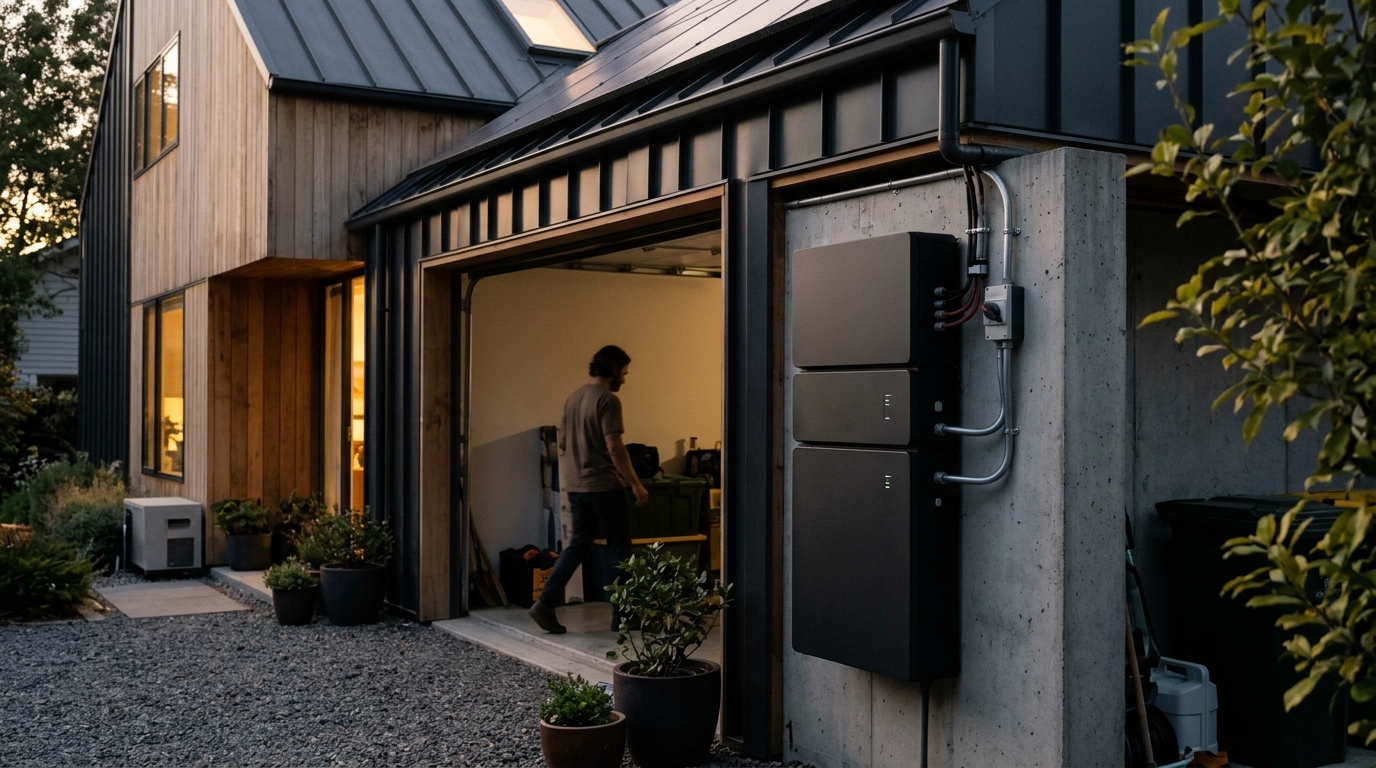
48V LiFePO4 home solar batteries typically last between 10 and 15 years, provided they are operated within their specified temperature and voltage limits. This longevity is driven by the stable lithium iron phosphate chemistry, which tolerates thousands of charge and discharge cycles without significant degradation. At Nova Bliss, we focus on high-quality storage solutions because the battery is the most critical component in any off-grid or backup power system.
Defining Cycle Life in Solar Storage
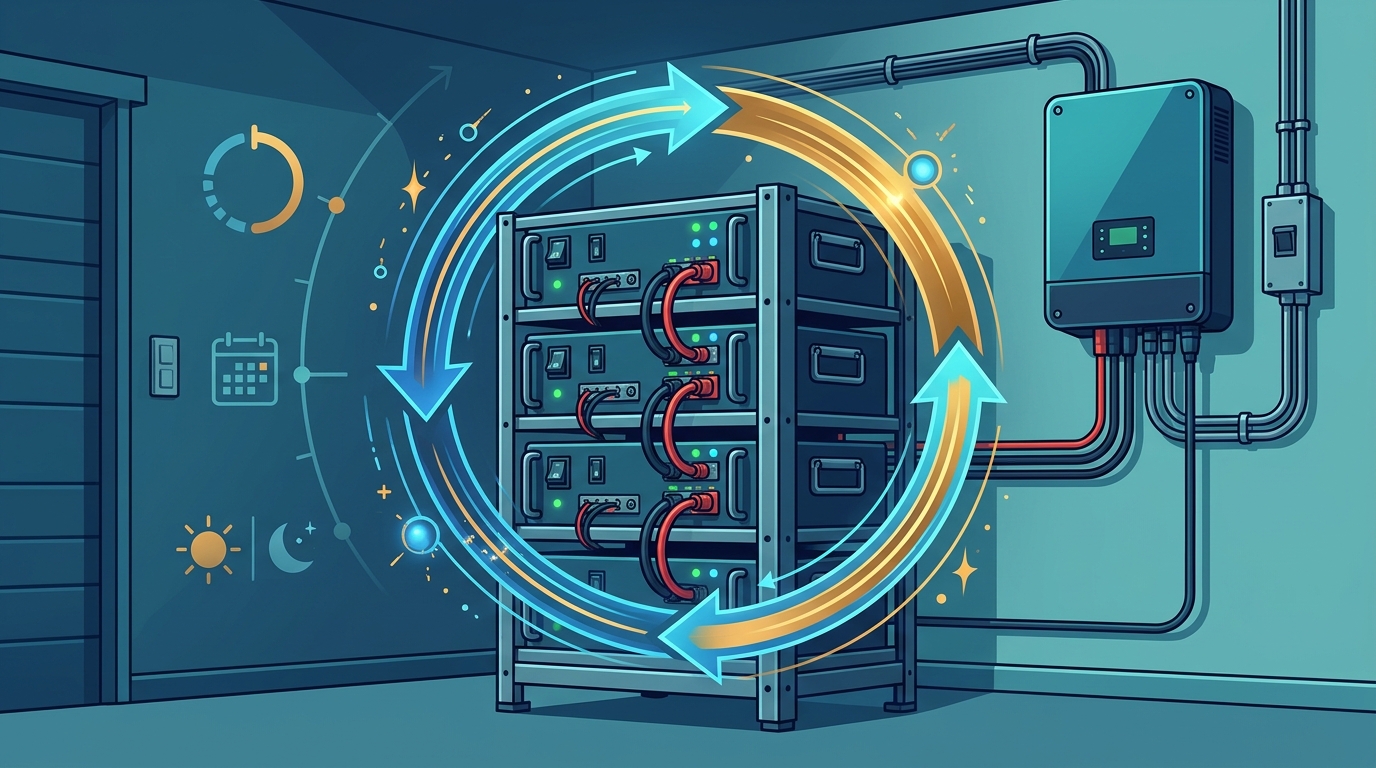
Cycle life is the number of full charge and discharge cycles a battery can complete before its capacity drops to a specific threshold, usually 80% of its original rating. For example, a battery rated for 6,000 cycles at 80% depth of discharge (DoD) will still hold 80% of its initial energy after 6,000 full uses. This metric is the primary indicator of a battery's economic lifespan in solar applications.
Unlike lead-acid batteries, which degrade rapidly when deeply discharged, LiFePO4 chemistry maintains structural integrity through repeated deep cycling. A 48V system with a 100Ah capacity provides 5,120Wh of energy per cycle. If a household uses 2,000Wh per day, that single battery unit completes one full cycle roughly every two and a half days. Understanding this math helps homeowners predict when a battery bank will need expansion or replacement.
The Critical Role of Temperature
Temperature is the single most significant environmental factor affecting LiFePO4 longevity. Extreme heat accelerates chemical reactions inside the cells, leading to faster capacity loss, while extreme cold reduces the battery's ability to accept a charge. Most high-quality 48V packs include a Battery Management System (BMS) that monitors cell temperature and prevents charging below freezing or above safe operating limits.
Operating a battery bank in an unconditioned garage or attic can shorten its life by several years. For instance, a battery stored at 140°F (60°C) will degrade significantly faster than one kept at 77°F (25°C). To maximize lifespan, install your 48V LiFePO4 batteries in a cool, dry, and ventilated space. If you are in a region with extreme winters, ensure your BMS has low-temperature charging protection to prevent lithium plating, which permanently damages cells.
Depth of Discharge and C-Rate
Depth of discharge (DoD) is the percentage of a battery's total capacity that is used before recharging. While LiFePO4 batteries can technically be discharged to 100%, doing so regularly stresses the internal chemistry. Most manufacturers recommend limiting DoD to 80% or 90% to extend the total number of cycles. Similarly, the C-rate, which measures the speed of charging and discharging, impacts longevity. High C-rates generate more heat, which accelerates degradation.
For a 100Ah battery, a 1C rate equals 100A. If your inverter draws 200A continuously, you are operating at a 2C rate. While many modern LiFePO4 packs can handle 2C bursts, sustained high C-rates will reduce cycle life. When sizing your system, ensure your inverter and battery BMS ratings align. A 48V 100Ah battery with a 100A BMS is designed for a 5kW continuous load. Exceeding this limit forces the BMS to shut down the battery, which is safe but indicates an undersized system.
BMS Quality and Cell Balancing
The Battery Management System (BMS) is the brain of the battery pack, protecting against overcharge, over-discharge, and short circuits. The quality of the BMS directly correlates with the battery's lifespan. A robust BMS actively balances the voltage of individual cells, ensuring that no single cell degrades faster than the others. In a 48V pack, which consists of 16 cells in series, even a small voltage imbalance can limit the usable capacity of the entire pack.
When selecting a battery, look for models with active balancing and communication protocols like CAN or RS485. These features allow your inverter to read the battery's state of charge and health directly. For example, the 48V LiFePO4 Battery Pack with 100A BMS at Nova Bliss includes RS485 and CAN communication, ensuring precise monitoring. Regularly checking the BMS logs for cell voltage differences can help you identify issues before they affect performance.
Practical Maintenance for Longevity
LiFePO4 batteries require minimal maintenance, but a few habits can extend their service life. First, keep the battery terminals clean and tight. Corrosion or loose connections increase resistance, generating heat that damages the BMS and cells. Second, store the battery at a partial charge if it will not be used for an extended period. Storing a LiFePO4 battery at 100% or 0% for months can cause unnecessary stress.
Third, monitor the battery's internal temperature. If you notice the pack getting unusually hot during charging, check your ventilation and wiring. Finally, keep an eye on the state of health (SoH) if your BMS provides this data. A gradual decline in SoH is normal, but a sudden drop indicates a potential fault. By following these simple steps, you can ensure your 48V solar battery bank performs reliably for over a decade.
Key Takeaways
- Cycle life is the number of full charge/discharge cycles before capacity drops to 80%.
- Temperature is the primary enemy; keep batteries between 40°F and 100°F for optimal life.
- Limit depth of discharge to 80-90% to maximize the total number of cycles.
- Match your inverter load to the battery's BMS current rating to avoid excessive C-rates.
- High-quality BMS with active balancing and communication protocols (CAN/RS485) is essential.
- Regularly inspect terminals for corrosion and ensure proper ventilation around the battery bank.
Frequently Asked Questions
How many cycles does a 48V LiFePO4 battery have?
Most high-quality 48V LiFePO4 batteries are rated for 4,000 to 6,000 cycles at 80% depth of discharge. Some premium cells may offer up to 8,000 cycles, but 6,000 is a standard benchmark for reliable home solar storage.
Does temperature really affect LiFePO4 battery life?
Yes, temperature is the most significant factor. High temperatures accelerate chemical degradation, while low temperatures prevent proper charging. Keeping the battery in a moderate temperature range is crucial for longevity.
What is the difference between cycle life and calendar life?
Cycle life refers to the number of charge/discharge cycles, while calendar life refers to the total time a battery lasts regardless of use. Even if a battery is not used, it will degrade over time due to chemical changes, typically lasting 10-15 years in calendar terms.
Can I use a 48V battery in a 24V system?
No, you cannot directly use a 48V battery in a 24V system without a DC-DC converter or proper series/parallel configuration. Voltage mismatch can damage the BMS or the inverter. Always match the battery voltage to your inverter and controller requirements.
How do I know when my LiFePO4 battery is dying?
Signs include a noticeable drop in usable capacity, the BMS shutting down the battery earlier than expected, or increased internal resistance. Monitoring the state of health (SoH) via the BMS or a compatible inverter is the most accurate way to track degradation.
Conclusion
Understanding the factors that influence 48V LiFePO4 battery lifespan allows you to make informed decisions about your solar storage system. By managing temperature, limiting depth of discharge, and selecting a battery with a robust BMS, you can ensure your investment lasts for over a decade. For reliable 48V LiFePO4 batteries and expert guidance on sizing your system, visit Nova Bliss today. Learn more: Contact Nova Bliss.