
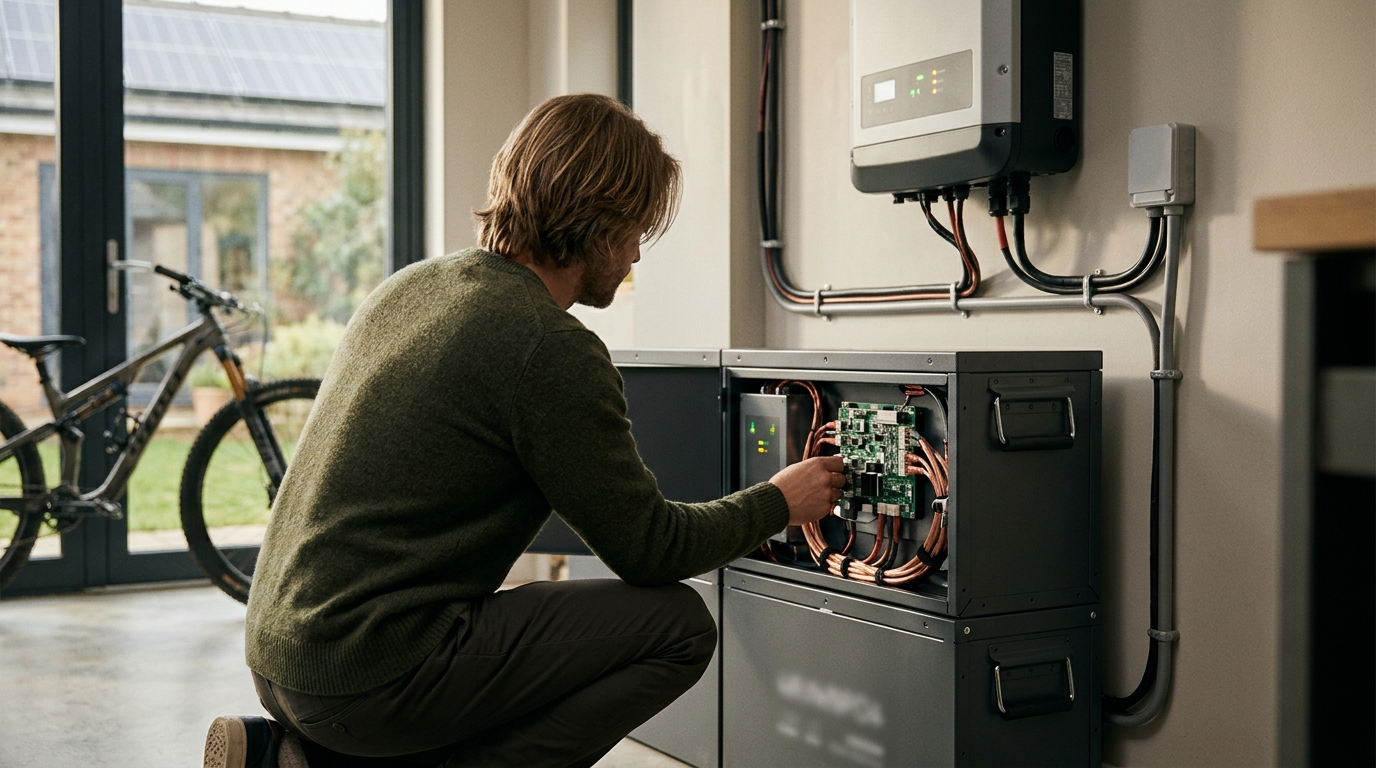
Before purchasing a 48V 100Ah LiFePO4 battery, verify the retailer's warranty terms, BMS specifications, and shipping policies. Nova Bliss provides US-based support and clear return policies for off-grid energy systems. This guide helps you evaluate sellers to ensure your investment in renewable energy storage is protected and compatible with your inverter and solar setup.
Verify BMS Specifications and Communication Protocols
The Battery Management System (BMS) is the brain of your battery pack. A 48V 100Ah LiFePO4 battery is a high-capacity energy storage unit that requires precise voltage balancing to prevent cell degradation. You must confirm whether the BMS supports RS485 or CAN communication protocols. These protocols allow your inverter to read real-time data such as state of charge, temperature, and cell voltage. Without proper communication, your inverter may not know when to stop charging, leading to overcharging or underutilization. Always request the BMS datasheet before purchase to ensure compatibility with your specific inverter brand.
Assess Warranty Length and Coverage Scope
Warranty terms vary significantly between manufacturers and retailers. A standard LiFePO4 battery is a long-term asset that should last over a decade under proper conditions. Look for warranties that cover both the cells and the BMS. Some retailers offer only 1-year warranties, while others provide 5 to 10 years. Check if the warranty is transferable if you sell your property. Also, verify who handles warranty claims. Buying from a US-based retailer like Nova Bliss ensures you have a local point of contact for support, avoiding the hassle of international shipping for defective units.
Evaluate Shipping, Customs, and Delivery Times
Shipping a 48V 100Ah LiFePO4 battery is complex due to its weight and hazardous material classification. Lithium batteries are often restricted in air freight, which can delay delivery. Confirm if the retailer ships via ground transport or sea freight. International orders may incur customs duties and taxes that are not included in the listed price. A US-based store simplifies this process by handling domestic logistics. Check the estimated delivery time and whether the retailer provides tracking updates. Delays in receiving your battery can stall your entire off-grid project, so reliable logistics are a critical factor in choosing where to buy.
Confirm Inverter Compatibility and Voltage Tolerance
Not all 48V batteries work seamlessly with every inverter. A 48V 100Ah LiFePO4 battery is typically a 16S configuration, meaning it consists of 16 cells in series. The nominal voltage is 51.2V, but the charging voltage reaches 58.4V. Your inverter must support this voltage range. Some inverters are designed for 48V systems but have strict voltage cutoffs that may not align with certain BMS settings. Verify that your inverter can handle the maximum charge and discharge currents of the battery. Mismatched components can trigger error codes or damage the inverter. Always cross-reference the battery's BMS settings with your inverter's manual before finalizing your purchase.
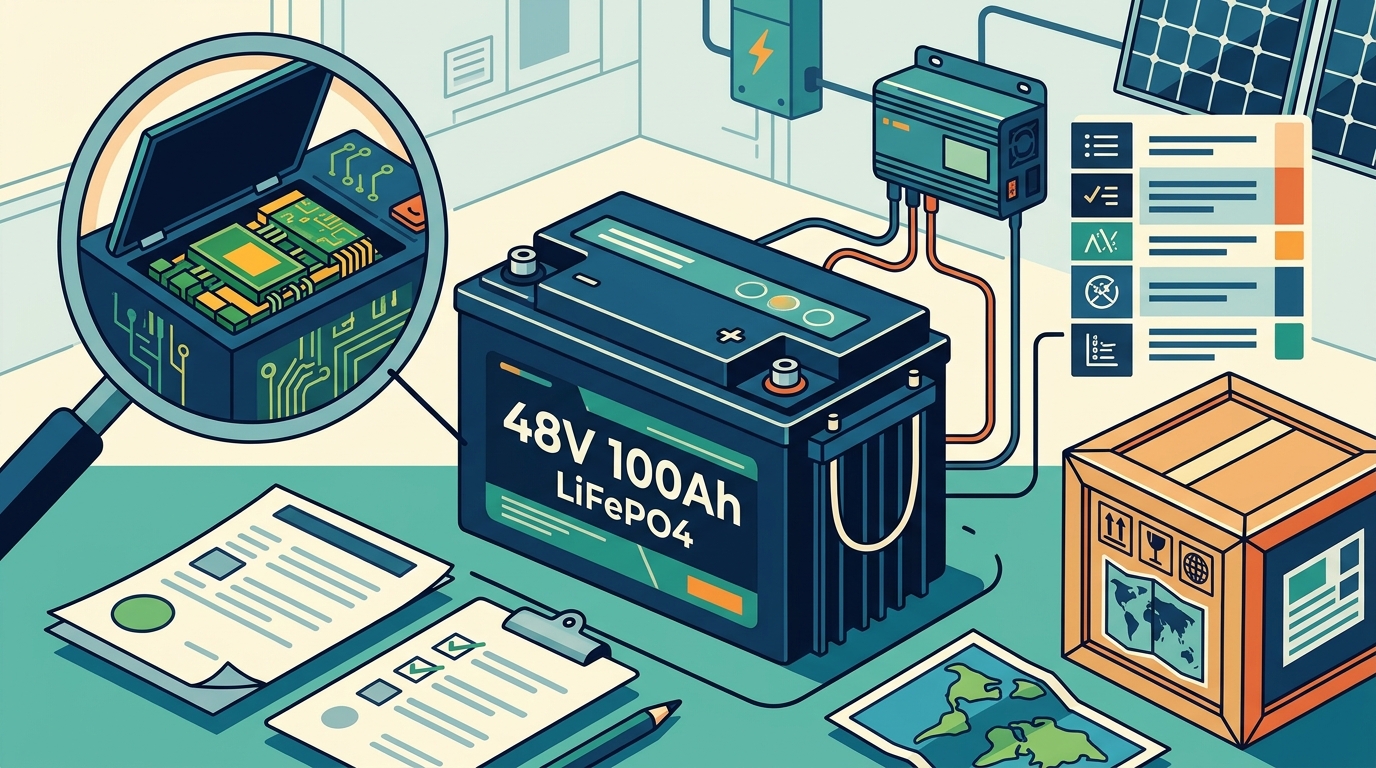
Check Return Policies and Defect Handling
Even with quality control, defects can occur. A clear return policy is essential when buying high-value energy storage equipment. Look for retailers that offer 30-day return windows for unused items. For defective units, the policy should specify who pays for return shipping. Some international sellers require you to ship the item back at your own expense, which can cost hundreds of dollars. A US-based retailer like Nova Bliss offers a 30-day return policy and covers return shipping for defective items. This reduces your financial risk and ensures you are not stuck with a non-functional battery. Read the fine print regarding restocking fees and condition requirements for returns.
Key Takeaways
- Verify BMS communication protocols (RS485/CAN) for inverter compatibility.
- Choose retailers with long-term warranties covering both cells and BMS.
- Confirm shipping methods and customs duties for international orders.
- Ensure your inverter supports the 51.2V nominal and 58.4V charge voltage.
- Check return policies for defective items and restocking fees.
Frequently Asked Questions
What is the difference between RS485 and CAN communication?
RS485 is a two-wire serial communication protocol, while CAN is a multi-master protocol. Both allow data exchange between the BMS and inverter, but CAN often provides faster data rates and better noise immunity. Check your inverter's supported protocols to ensure compatibility.
Can I use a 48V 100Ah battery with a 24V inverter?
No, a 48V 100Ah LiFePO4 battery is a 16S pack and cannot be used directly with a 24V inverter. You would need to reconfigure the battery into a 24V 200Ah pack, which requires professional modification and may void the warranty.
How long does shipping take for a 48V battery?
Shipping times vary by retailer and location. US-based retailers typically ship within 3 to 7 business days. International orders may take 2 to 6 weeks due to customs clearance and ground transport requirements for lithium batteries.
What is the cycle life of a 48V 100Ah LiFePO4 battery?
A 48V 100Ah LiFePO4 battery is a durable energy storage solution that typically offers 3,000 to 6,000 cycles at 80% depth of discharge. This translates to 10 to 15 years of service life under normal usage conditions.
Do I need a special charger for a 48V LiFePO4 battery?
Yes, you need a charger or inverter with a LiFePO4 charging profile. Standard lead-acid chargers may not provide the correct voltage and current settings, leading to undercharging or overcharging. Use a charger specifically designed for lithium iron phosphate batteries.
Where can I find the BMS datasheet for my battery?
Request the BMS datasheet from the retailer before purchase. It contains critical information such as charge/discharge current limits, communication protocols, and protection features. If the retailer cannot provide it, consider buying from a different source.
Is it safe to ship LiFePO4 batteries by air?
Shipping LiFePO4 batteries by air is restricted due to safety regulations. Most retailers use ground or sea freight for large battery packs. Confirm the shipping method with the retailer to avoid delays or customs issues.