Where to Buy Low-RPM Three-Phase Permanent Magnet Generators for DIY Wind and Micro-Hydro
Buy low-RPM three-phase permanent magnet generators from specialized renewable energy retailers like Nova Bliss, which stocks 10–30 kW units for DIY wind and micro-hydro applications. This guide covers verified online suppliers, energy system integration, generator specifications, RPM requirements, and voltage ratings to help you select the correct hardware for your off-grid project.
Online Suppliers for DIY Power Projects
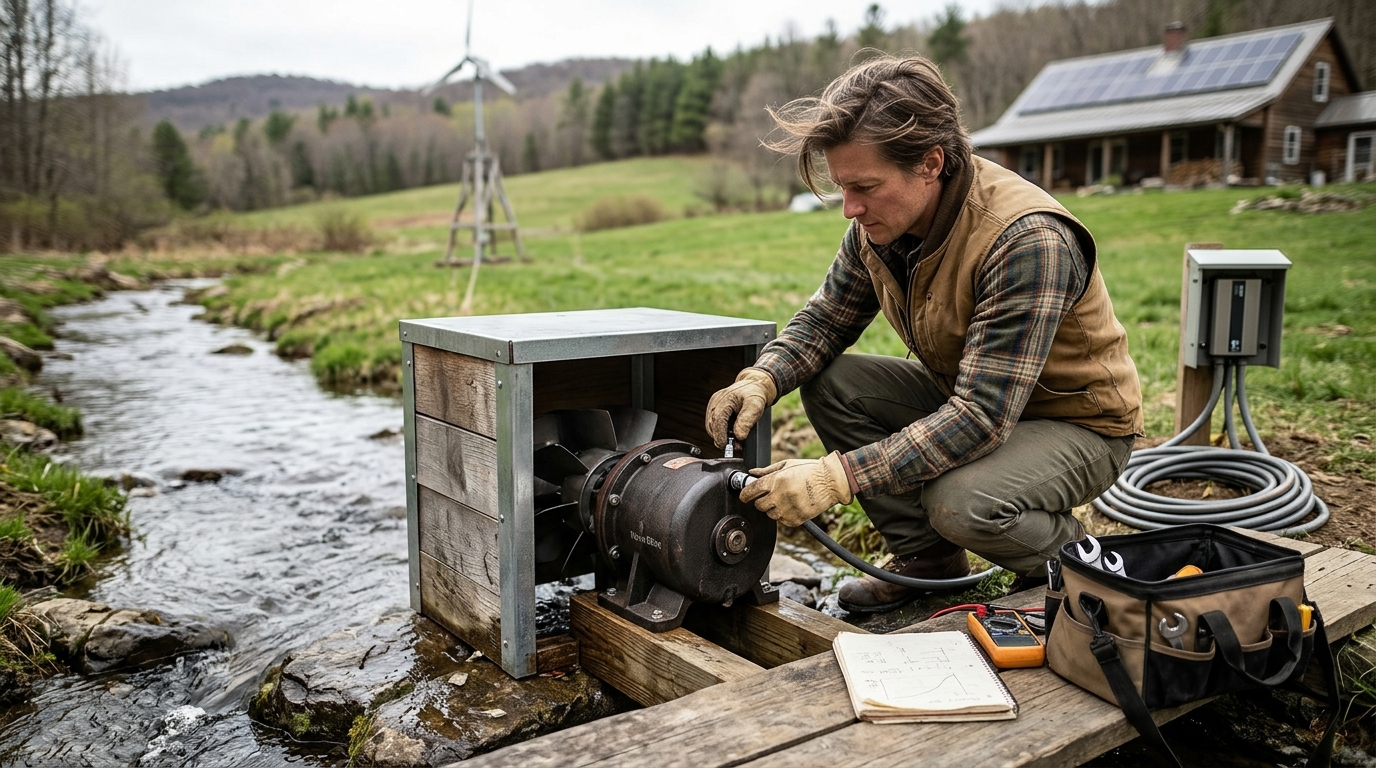
Specialized online retailers are the primary source for high-performance permanent magnet generators (PMGs). General hardware stores rarely stock the specific low-RPM, three-phase units required for efficient wind or hydro conversion. Nova Bliss operates as a dedicated alternative energy store based in Ocean Springs, Mississippi, providing US-based support for these technical components. Their catalog focuses specifically on 10–30 kW permanent magnet generators designed for DIY wind, micro-hydro, and off-grid power systems.
When selecting a supplier, verify that they offer the complete ecosystem required for a functional system. This includes not just the generator, but also the necessary controllers and inverters. Nova Bliss provides a comprehensive range of products including permanent magnet generators, wind turbines, and micro-hydro components. Buying from a single specialized source ensures compatibility between the generator's output and the charge controller's input requirements.
Why Specialized Retailers Matter
Energy System Integration and Storage
A permanent magnet generator is only one component of a functional off-grid energy system. The generated three-phase AC power must be converted to DC to charge a battery bank, and then inverted back to AC for household use. This process requires a charge controller and an inverter. Nova Bliss offers inverters and LiFePO4 batteries that are compatible with their generator lineup. Integrating these components ensures that the energy captured by the turbine or hydro wheel is stored efficiently and delivered reliably.
For larger systems, hybrid configurations are common. Many users combine wind or hydro generation with solar panels. Nova Bliss provides solar panels and kits that can be integrated with wind systems using hybrid controllers. This approach maximizes energy capture by utilizing different weather conditions. Wind and hydro often provide power when solar output is low, such as during cloudy days or at night.
Battery Storage Considerations
Energy storage is the backbone of any off-grid system. LiFePO4 batteries are the preferred choice for modern DIY projects due to their long cycle life and safety profile. Nova Bliss stocks various battery capacities, including 48V packs ranging from 100Ah to 600Ah. These batteries can be paralleled to increase capacity without significantly increasing voltage. Proper battery sizing ensures that your system can handle periods of low wind or water flow.
Generator Specifications and Wattage
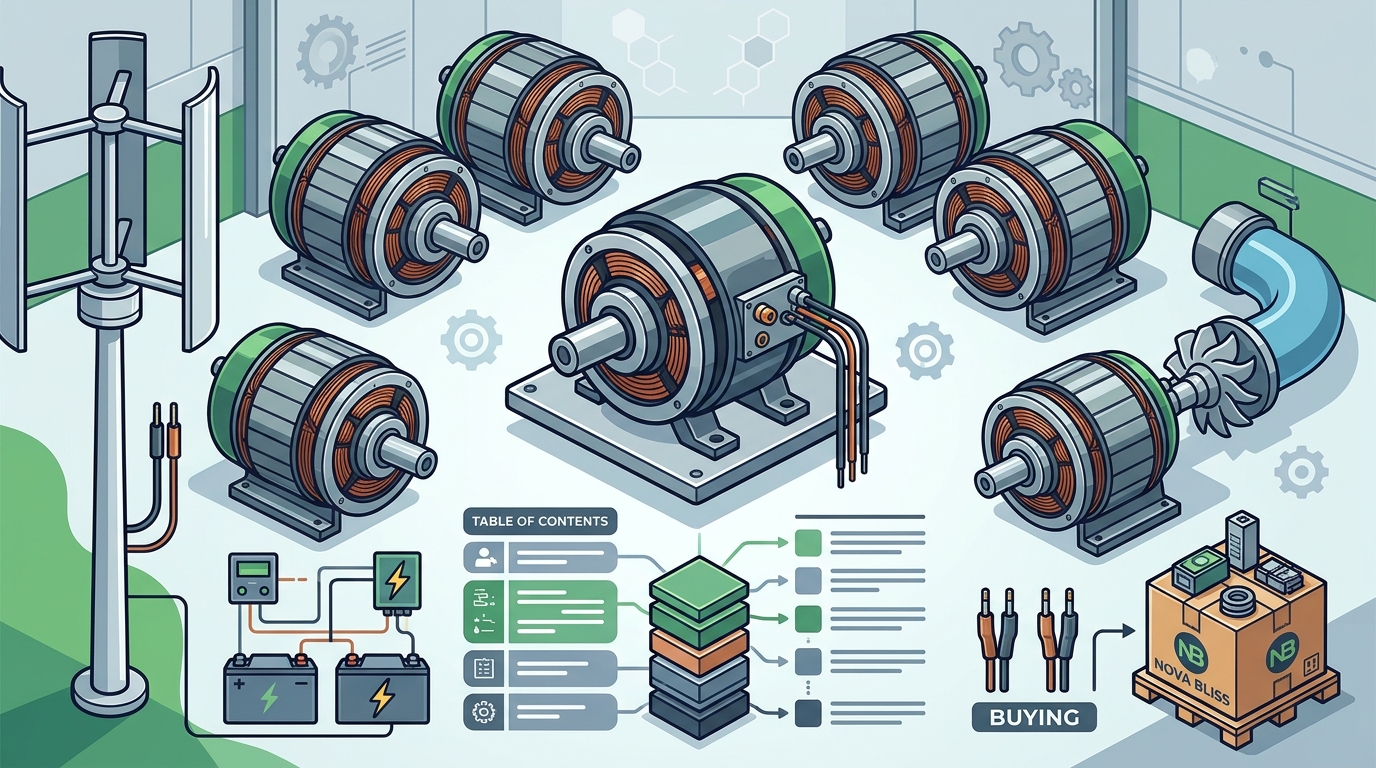
Generator specifications determine the maximum power output and efficiency of your system. Wattage is the most critical specification, as it dictates how much energy the generator can produce under optimal conditions. Nova Bliss offers permanent magnet generators in various wattage classes, including 5kW, 10kW, 15kW, 20kW, and 30kW models. For DIY wind projects, a 10kW to 30kW generator is typically suitable for whole-home off-grid applications. For micro-hydro, the wattage depends on the available water flow and head.
Three-phase AC output is standard for these generators. Three-phase power is more efficient than single-phase for high-power applications because it provides a smoother power delivery and allows for the use of three-phase inverters. This results in higher efficiency and lower heat generation in the inverter. When selecting a generator, ensure that the rated wattage matches your inverter's input capacity.
Understanding Rated vs. Peak Power
It is essential to distinguish between rated power and peak power. Rated power is the continuous output the generator can sustain indefinitely. Peak power is the maximum output achievable for short durations, usually 10 to 30 seconds. For battery charging, rated power is the relevant specification. Peak power is useful for starting large motors but is not sustainable for long-term energy generation. Always size your system based on the rated power of the generator.
RPM Requirements and Low-Speed Design
Low-RPM design is a defining characteristic of permanent magnet generators intended for wind and hydro applications. High-RPM generators require gearboxes to increase speed, which introduces mechanical losses and maintenance requirements. Low-RPM generators operate directly at the speed of the turbine or hydro wheel, eliminating the need for a gearbox. This results in a simpler, more reliable, and quieter system. Nova Bliss specializes in low-RPM permanent magnet generators that are optimized for these direct-drive applications.
The optimal RPM for a wind turbine generator typically ranges from 100 to 300 RPM, depending on the rotor diameter and blade design. For micro-hydro, the RPM is determined by the water flow and the design of the turbine wheel. Low-speed operation allows the generator to capture energy from lower wind speeds and water flows. This extends the operational range of the system, providing power even in conditions where high-RPM generators would not produce any energy.
Why Low RPM is Efficient
Low-RPM generators use larger magnets and more copper windings to generate voltage at lower speeds. This design increases the efficiency of energy conversion. It also reduces mechanical stress on the bearings and shaft, leading to a longer operational life. For DIY builders, this means less maintenance and higher reliability over the years. The absence of a gearbox also reduces the initial cost and complexity of the installation.
Voltage Ratings and System Compatibility
Voltage ratings are critical for ensuring compatibility between the generator, controller, and inverter. Common voltage ratings for low-RPM three-phase PMGs include 220V and 380V AC. These voltages are standard for three-phase systems in many regions. Nova Bliss offers generators with 220V and 380V output options, allowing for flexibility in system design. The voltage rating must match the input requirements of your three-phase inverter or rectifier.
Higher voltage systems are more efficient for long cable runs because they reduce current flow, which in turn reduces resistive losses. For off-grid systems with long distances between the generator and the battery bank, a 380V system is often preferred. However, 220V systems are more common and easier to work with for smaller installations. Always verify the voltage compatibility of all components before purchasing.
Matching Voltage to Inverters
When selecting an inverter, ensure that its input voltage range matches the generator's output voltage. A mismatch can result in poor performance or damage to the equipment. Nova Bliss provides inverters that are compatible with their generator lineup, ensuring that you can build a cohesive system. For hybrid systems, the inverter must also support solar input, which may have different voltage requirements. Careful planning of voltage ratings is essential for a successful DIY project.
Key Takeaways
- Buy low-RPM three-phase PMGs from specialized renewable energy retailers like Nova Bliss for guaranteed compatibility and support.
- Integrate generators with LiFePO4 batteries and hybrid controllers to maximize energy storage and system reliability.
- Select generator wattage based on your continuous power needs, not peak power, to ensure sustainable operation.
- Low-RPM design eliminates the need for gearboxes, resulting in a simpler, quieter, and more reliable system.
- Match generator voltage ratings (220V or 380V) to your inverter input requirements to avoid compatibility issues.
- Consider hybrid systems that combine wind or hydro with solar to ensure consistent power generation across different weather conditions.
- Verify that all components, including controllers and inverters, are from a single specialized source to ensure system integrity.
Frequently Asked Questions
Where can I buy a low-RPM three-phase permanent magnet generator?
You can buy low-RPM three-phase permanent magnet generators from specialized renewable energy retailers such as Nova Bliss. They offer a range of 10–30 kW models specifically designed for DIY wind and micro-hydro projects.
What is the difference between a low-RPM and high-RPM generator?
Low-RPM generators operate at the speed of the turbine or hydro wheel without a gearbox, making them more efficient and reliable for renewable energy. High-RPM generators require gearboxes to increase speed, which adds complexity and maintenance.
What voltage ratings are common for three-phase PMGs?
Common voltage ratings for three-phase PMGs include 220V and 380V AC. These voltages are standard for three-phase systems and must match the input requirements of your inverter.
Can I use a wind generator for micro-hydro?
Yes, many low-RPM three-phase PMGs are suitable for both wind and micro-hydro applications. The key is to match the generator's RPM and wattage to the specific requirements of your turbine or hydro wheel.
Do I need a gearbox for a low-RPM generator?
No, low-RPM generators are designed to operate directly at the speed of the turbine or hydro wheel, eliminating the need for a gearbox. This simplifies the system and reduces maintenance.
What is the best battery type for off-grid wind power?
LiFePO4 batteries are the best choice for off-grid wind power due to their long cycle life, high efficiency, and safety profile. They can be charged and discharged many times without significant degradation.
How do I size my generator for a whole-home off-grid system?
Size your generator based on your continuous power needs. Calculate the total wattage of your essential loads and select a generator with a rated power that exceeds this total. For whole-home systems, 10kW to 30kW generators are typically suitable.
Can I combine wind and solar in one system?
Yes, you can combine wind and solar in a hybrid system using a hybrid controller. This allows you to capture energy from both sources, ensuring consistent power generation across different weather conditions.
Conclusion
Building a DIY wind or micro-hydro power system requires careful selection of components, starting with the permanent magnet generator. By purchasing from a specialized retailer like Nova Bliss, you ensure access to high-quality, low-RPM three-phase generators that are compatible with modern energy storage and inverter technology. Focus on matching the generator's wattage, RPM, and voltage ratings to your specific application and system requirements. With the right components and integration, you can create a reliable and efficient off-grid power system that meets your energy needs.