
48V LiFePO4 Battery Packs for Home Solar: 8000+ Cycle Storage Guide
For home solar storage, the 48V LiFePO4 battery pack is the standard choice for achieving 8000+ cycles. This guide explains how to verify cycle life specifications, compare pack configurations, and select the right storage capacity for your off-grid or hybrid system. We cover the technical definitions, practical sizing, and specific product options available at Nova Bliss to help you build a durable power system.
LiFePO4 Battery Packs: The Core Technology
A 48V LiFePO4 battery pack is a high-voltage energy storage unit composed of multiple lithium iron phosphate cells connected in series and parallel. This configuration is the industry standard for residential solar because it balances high energy density with exceptional safety and longevity. Unlike lead-acid or older lithium-ion chemistries, LiFePO4 cells operate at a stable voltage and resist thermal runaway, making them ideal for unattended home installations. according to Battery Accelerated Cycle
Why 48V is the Standard for Homes
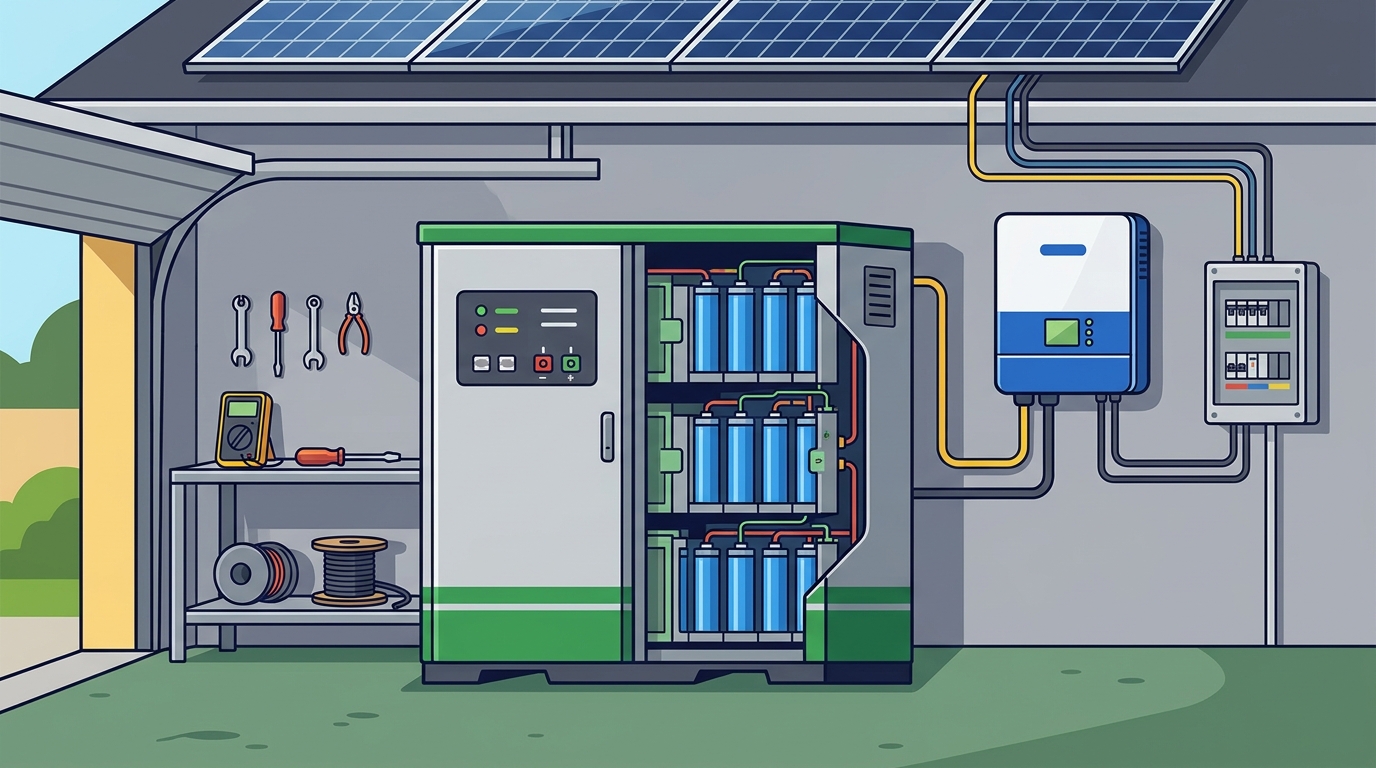
The 48V nominal voltage (typically 51.2V for a 16-series pack) is the sweet spot for home solar. It allows for higher power delivery with lower current, which reduces the required wire gauge and minimizes energy loss in the cables. At Nova Bliss, we stock a wide range of 48V packs, from compact 100Ah units to massive 600Ah systems, ensuring you can find the right fit for your specific inverter and load requirements.
Prismatic Cells and BMS Protection
Quality packs use Grade A prismatic cells, which offer better thermal management than cylindrical cells. Every pack must include a Battery Management System (BMS) that monitors voltage, temperature, and current. A robust BMS is critical for protecting the cells from overcharging or deep discharging, which are the primary causes of premature battery failure. When browsing our LiFePO4 batteries, look for packs that specify the BMS amperage and communication protocols like CAN or RS485.
Cycle Lifespan Specifications: Reading the Data
Cycle life is the number of full charge and discharge cycles a battery can complete before its capacity drops to a specific threshold, usually 80% of its original rating. For LiFePO4 technology, manufacturers typically guarantee between 3000 and 8000+ cycles. To determine if a pack truly offers 8000+ cycles, you must look beyond the headline number and examine the test conditions.
Understanding Depth of Discharge (DoD)
The cycle count is heavily dependent on the Depth of Discharge (DoD) used during testing. A pack rated for 8000 cycles at 20% DoD will have a significantly shorter lifespan if you routinely discharge it to 80% or 100%. Most high-quality home solar packs are tested at 80% DoD. If a manufacturer only provides cycle data for shallow discharges, the real-world lifespan for a home solar system will be lower than advertised.
Temperature and C-Rate Impact
Temperature and charge/discharge rates (C-rate) also affect longevity. Cycles performed at high temperatures or high C-rates (fast charging) degrade cells faster. For example, a 48V 300Ah pack with a 1C charge rate can handle high solar input, but frequent fast cycling may reduce the total cycle count. When evaluating a 48V 300Ah battery, check the datasheet for the specific temperature range and C-rate used to achieve the 8000+ cycle claim.
Sizing Your Home Solar Storage
Selecting the right capacity is as important as selecting the right chemistry. You need to calculate your daily energy consumption in kilowatt-hours (kWh) and determine how many days of autonomy you require. A 48V 100Ah pack stores approximately 5.12 kWh, while a 48V 300Ah pack stores roughly 15.36 kWh. For a typical home, a 10kWh to 15kWh system provides a solid buffer for cloudy days or outages.
Parallel Configurations for Scalability
Many 48V packs support parallel connections, allowing you to expand your storage without changing the voltage. For instance, you can start with one 48V 100Ah pack and later add a second one in parallel to double your capacity to 10.24 kWh. This modularity is a key advantage of LiFePO4 systems. Ensure that the BMS supports the maximum number of parallel units you plan to use, as exceeding this limit can void the warranty and cause imbalance issues.
Matching Your Inverter
Your battery pack must be compatible with your inverter. Most hybrid inverters for home solar operate at 48V, but they have specific voltage windows for charging and discharging. Verify that your inverter supports the communication protocol of your chosen battery pack. At Nova Bliss, we offer inverters that are tested for compatibility with various LiFePO4 brands, ensuring a seamless integration for your off-grid or hybrid setup.
Comparison of 48V Pack Configurations
The following table summarizes common 48V LiFePO4 configurations available for home solar storage. Note that cycle life can vary based on the specific cell manufacturer and BMS quality.
| Capacity | Energy (kWh) | Typical Cycle Life | Best For |
|---|---|---|---|
| 48V 100Ah | 5.12 kWh | 6000+ cycles | Camping, small off-grid cabins |
| 48V 200Ah | 10.24 kWh | 6000-8000 cycles | Average home backup |
| 48V 300Ah | 15.36 kWh | 8000+ cycles | Whole-home off-grid, high consumption |
| 48V 600Ah | 30.72 kWh | 8000+ cycles | Large farms, multi-day autonomy |
For users seeking the highest durability, the 300Ah and 600Ah packs often utilize larger prismatic cells that handle thermal stress better over thousands of cycles. These larger packs are ideal for users who want to minimize maintenance and replacement costs over a 10-15 year period.
Key Takeaways
- A 48V LiFePO4 battery pack is the standard for home solar due to its safety and high energy density.
- Always verify the Depth of Discharge (DoD) and temperature conditions used to test the 8000+ cycle claim.
- Grade A prismatic cells and a robust BMS are essential for achieving the advertised cycle life.
- Parallel configurations allow for scalable storage, starting small and expanding as needed.
- Compatibility between the battery BMS and the inverter is critical for system stability.
- Regular monitoring via CAN or RS485 protocols helps maintain cell balance and longevity.
Frequently Asked Questions
What does 8000+ cycles mean for a home solar battery?
It means the battery can be fully charged and discharged 8000 times before its capacity drops to 80% of its original rating. Under normal home solar usage, this translates to a lifespan of 15 to 20 years or more.
Can I parallel 48V LiFePO4 packs from different brands?
It is generally not recommended to parallel packs from different brands or with different BMS versions. This can cause imbalance and reduce the lifespan of the entire system. Stick to the same model and manufacturer for parallel setups.
How do I know if a pack uses Grade A cells?
Look for transparency from the manufacturer. Reputable brands will specify the cell manufacturer (e.g., CATL, EVE) and provide datasheets. Avoid packs that do not disclose their cell source or BMS specifications.
Is 48V better than 24V for home solar?
Yes, 48V is superior for home solar because it allows for higher power with lower current, reducing wire size and energy loss. 24V systems are typically limited to smaller, low-power applications.
What is the role of the BMS in cycle life?
The Battery Management System (BMS) protects the cells from overcharging, over-discharging, and overheating. A high-quality BMS with active balancing is crucial for extending the cycle life of the pack.
Where can I buy 48V LiFePO4 batteries in the US?
You can purchase high-quality 48V LiFePO4 packs from specialized retailers like Nova Bliss, which offers a range of capacities and configurations with US-based support and free shipping.
Conclusion
Choosing a 48V LiFePO4 battery pack with 8000+ cycles is a long-term investment in your home's energy independence. By understanding the technical specifications, verifying test conditions, and selecting the right capacity, you can build a system that lasts for decades. Nova Bliss provides a curated selection of high-quality LiFePO4 packs and compatible components to help you achieve this goal. Explore our complete off-grid systems to find the perfect configuration for your home solar needs.