
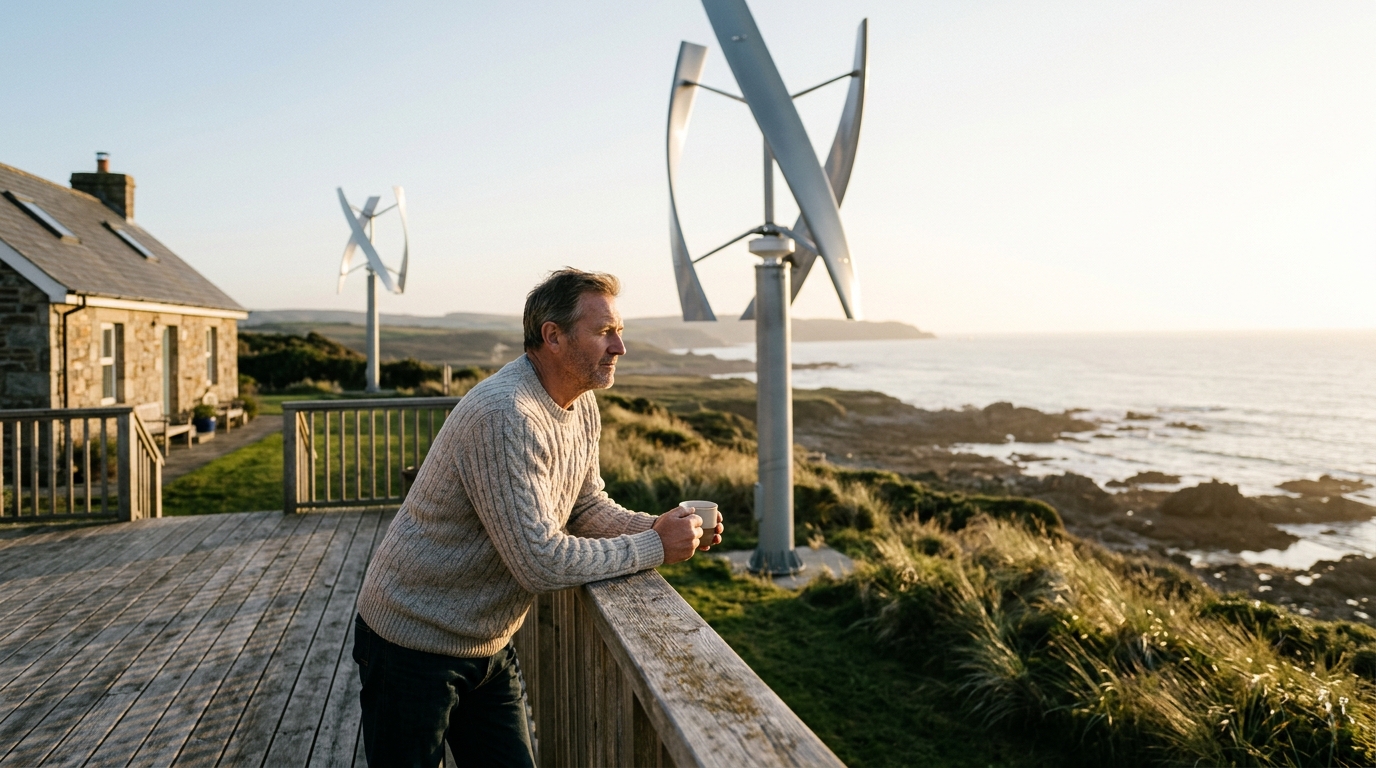
7 Factors That Make Vertical Wind Turbines More or Less Expensive
Vertical wind turbines vary in price based on several technical and structural elements. Understanding these drivers helps buyers make informed decisions for their off-grid or hybrid power needs. Nova Bliss provides a range of vertical-axis options to suit different budgets and power requirements.
1. Rotor Diameter and Blade Material
Larger rotors and premium materials significantly increase the base cost. The swept area of the rotor determines how much wind energy the turbine can capture. Blades made from high-strength composites like nylon fiber or glass and basalt cost more than standard plastic but offer better durability and aerodynamic efficiency.
2. Generator Technology and Magnet Type
The type of generator used is a primary driver of the unit price. Vertical turbines often use permanent magnet generators, with rare-earth magnets providing higher efficiency at a higher cost. Some models utilize maglev (magnetic levitation) designs to reduce friction, which adds to the manufacturing complexity and price.
3. Rated Power Output
Higher wattage ratings command a premium due to increased component size. A 500W household unit is significantly cheaper than a 10kW or 30kW industrial-grade turbine. The cost scales with the power output because larger turbines require heavier shafts, more robust bearings, and larger generators to handle the mechanical stress.
4. Control System and MPPT Capability
Advanced controllers that support MPPT (Maximum Power Point Tracking) add to the system cost. Basic controllers are cheaper but less efficient in variable wind conditions. MPPT controllers and hybrid controllers that allow solar input increase the price but maximize energy harvest from the turbine.
5. Voltage Configuration and Inverter Compatibility
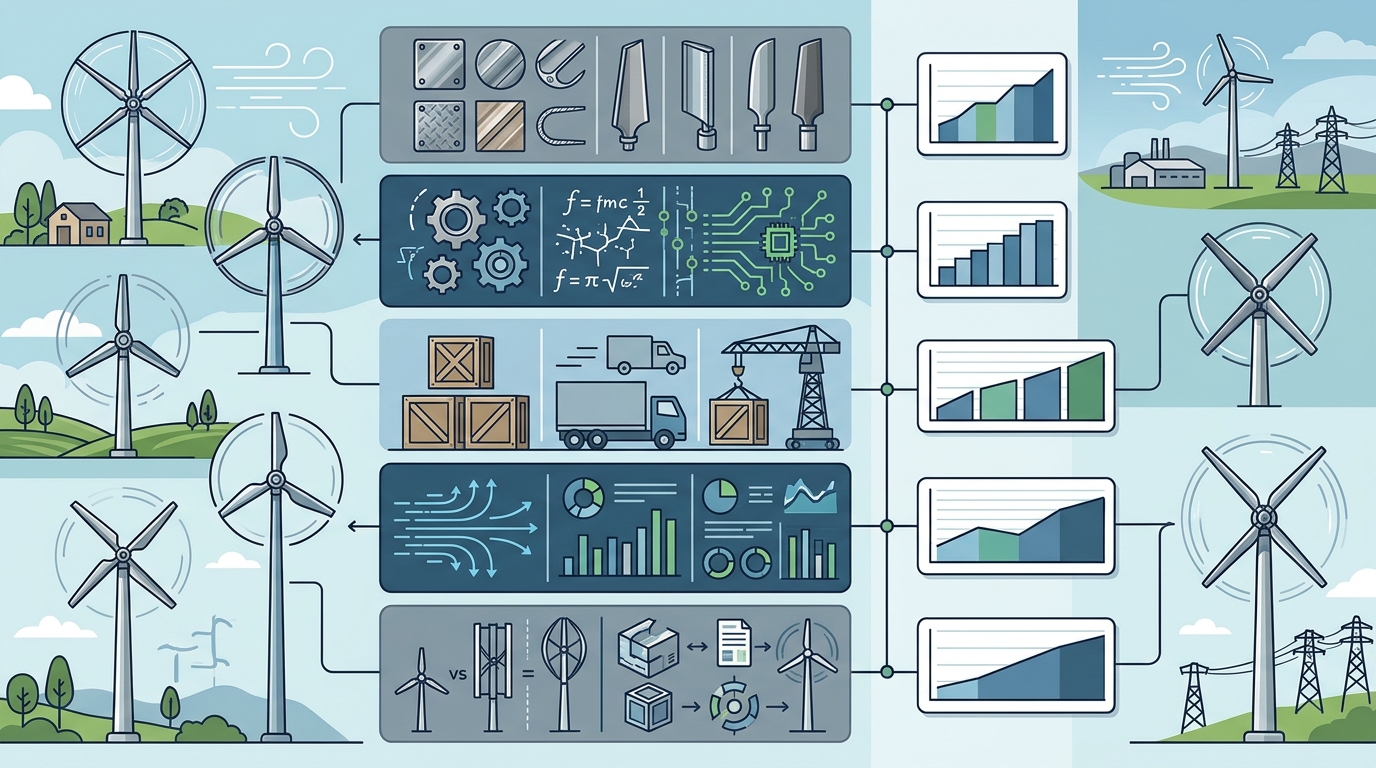
The required voltage output and inverter type affect the total system investment. Turbines available in 12V, 24V, or 48V configurations may have different price points. Pairing the turbine with a pure sine wave inverter is essential for home use, and the cost of this inverter must be factored into the overall budget.
6. Structural Design and Yaw Mechanism
Vertical-axis turbines (VAWTs) are generally more expensive per watt than horizontal-axis models due to complex engineering. VAWTs do not need to yaw into the wind, which simplifies the tower but requires a more complex rotor and generator assembly. This design choice often results in a higher initial cost compared to simpler horizontal designs.
7. Certification and Warranty Coverage
Compliance with international standards and longer warranty periods increase the price. Turbines with CE, ISO9001, or ISO14001 certifications ensure safety and quality, which adds to the manufacturing cost. A longer warranty, such as one year versus three months, reflects the manufacturer's confidence and increases the upfront price.
Choosing the Right Vertical Turbine
When selecting a vertical wind turbine, prioritize your power needs and site conditions. For residential use, a 3-4kW unit with a hybrid controller offers a balance of cost and performance. For larger properties, consider 10kW+ models with robust MPPT systems. Always factor in the cost of the inverter and battery storage when budgeting for a complete off-grid system.
Frequently Asked Questions
Why are vertical wind turbines more expensive than horizontal ones?
Vertical turbines often use more complex generator designs and premium materials to handle omnidirectional wind, which increases manufacturing costs compared to simpler horizontal-axis turbines.
Does a larger rotor diameter always mean a better turbine?
A larger rotor captures more energy, but it must be matched to your site's wind speed and your power needs. An oversized rotor can be inefficient and unnecessarily expensive for a small load.
What is the role of an MPPT controller in a vertical turbine system?
An MPPT controller optimizes the power extracted from the turbine across varying wind speeds, improving overall efficiency and justifying its higher cost compared to basic PWM controllers.
Can I use a vertical turbine with a solar system?
Yes, many vertical turbines are compatible with hybrid controllers that accept both wind and solar input, allowing for a more reliable and consistent power supply.
How does the voltage rating affect the price of a vertical turbine?
Higher voltage ratings like 48V or 96V often require more robust components and are typically more expensive than 12V or 24V units, but they are more efficient for larger power systems.